Showing posts with label Nature. Show all posts

Wednesday, May 20, 2015

Bell Mountain HDR

Nikon D7000, 10.5mm, HDR composite

My first-ever solo backpacking trip was to the top of Bell Mountain, the second highest point in Missouri. My campsite provided a particularly good view of the sunrise, so I decided to get a picture of myself watching the day start.

Unfortunately, I couldn’t get a single shot that was properly exposed for the sky, the ground and me all at once. Fortunately, I brought along a small, lightweight tripod that allowed me to shoot a series of pictures at different exposure levels, including one in which I sat on a rock and triggered the shutter using a remote.

Nikon D7000, 10.5mm, 1/2, f/2.8, ISO 100

Nikon D7000, 10.5mm, 1/2, f/2.8, ISO 100, taken a little later

Nikon D7000, 10.5mm, 1.3 sec., f/2.8, ISO 100

Then when I got back home I used Photoshop’s High Dynamic Range option to combine the three pictures. As I was in only one of them, I copied myself from the original photo and pasted myself into the HDR combo, making a few adjustments to make me match the rest of the image.

As is common with HDR-generated images, the result isn’t precisely faithful to how the world actually looked at the time. Normally I’m not fond of the “are you just high all the time?” look, but here it works for me. The sunrise looks somewhat like the first seconds of a hydrogen bomb detonating, which for some reason strikes me as so out of keeping with the moment that it seems paradoxically appropriate.

Wednesday, February 5, 2014

The Kaw

Nikon D7000, 44mm (18-55), 1/60, f/6.3, ISO 100, adjusted and cropped

More evidence that it’s never the shot you think it’s going to be. Around 300 times a year I drive the  road that follows the Kansas River for a brief stretch. And in all that time I’ve meant to stop, get out of my car, climb the nearby hills and shoot a panorama of the valley.

Yesterday’s snow storm (and consequent school cancellation) provided me with a great opportunity. Out I went and up I went. If nothing else, it was a good chance to field test my new camera sling and lightweight tripod (both of which performed admirably, especially the sling).

However, I’ve gotta say that I was somewhat underwhelmed by the pan:

Nikon D7000, 44mm (18-55), 1/60, f/5.3, ISO 100, adjusted and edited (panorama)

It’s not terrible. But the trees blocked more of the view than I’d anticipated. I could also have done without the light pole.

On the other hand, while I was there I noticed an illegal trash dump just down the hill from where I parked. The most striking visual was the field of discarded tires (above). But an abandoned chair also caught my eye.

Nikon D7000, 36mm (18-55), 1/60, f/8, ISO 100, adjusted

As did a splash of color painted onto a trio of trees.

Nikon D7000, 18mm (18-55), 1/60, f/10, ISO 100, adjusted

Finally, this entry wouldn’t be complete without a quick note of thanks to my Jeep, which allowed me to venture fearlessly out into Snowpocalypse 2014.

Nikon D7000, 44mm (18-55), 1/60, f/6.3, ISO 100, adjusted and cropped

Wednesday, November 27, 2013

Exile in the rain

D3000, 10.5mm, 0.3 sec, f/8, ISO 200, adjusted

Around a month ago I got a rare confluence of events: a rainy night and the free time to go out in it and shoot some pictures. I promised Amy I’d photograph the neon at Exile Tattoos some damp evening, so this seemed like the perfect time.

Naturally I brought a tripod along so I could work in the dim light. I started with the 10.5mm lens, taking a few shots in the lobby (below) before moving outside for the pictures I came to get (above).

D3000, 10.5mm, 0.5 sec, f/8, ISO 200

The outdoor photos I took with the 18-55mm zoom didn’t turn out as well. While I remembered to bring the camera’s raincoat, I neglected to bring one for myself. Thus I ended up drenched before I got anything I was happy with.

On the other hand, it wasn’t raining indoors. So while I had the camera on the tripod, I decided to play around with a special effects trick: zooming with the shutter open. The technique produces a strange, streaky effect that draws attention to the center of the shot. I’d tried the trick a few times in the past, but this is the first time I got genuinely interesting results:

D7000, 18-55mm, 2.5 sec, f/13, ISO 100

Wednesday, September 11, 2013

Omaha Zoo – Miscellany

Nikon D3000, 10.5mm, 1/640, f/13, ISO 1600

This last Omaha-centered blog entry picks up a handful of miscellaneous photos I took during our visit. Though I had my wide angle lens with me, I ended up not using it for all that much. Every once in awhile I got a good result from it, however. I was pleased by the strangely-bending lines of the dome atop the desert building.

Nikon D7000, 125mm (28-200), 1/13, f/5.6, ISO 6400, adjusted

I honestly thought I’d walk away with pretty much nothing from the nocturnal exhibit, but a shot or two sorta worked. For this picture of an alligator I cranked the ISO way up and braced the camera on a railing to avoid as much shake as possible. Still, you can see some camera shake in the shot. Look at the small points of light such as the reflection in the gator’s eye, which should be single points but turn into tell-tale crescents because of camera motion.

I should also note that the gator shot was seriously level-adjusted in Photoshop. Straight out of the camera, the frame was mostly black.

Nikon D7000, 28mm (28-200), 1/800, f/9, ISO 400

I hoped for some good wide angle shots while we were up on the sky tram (the cables for which you can see in shadow running through the middle of the picture). However, the 10.5mm lens kept getting my feet or another part of the tram in the shot, so I had to settle for sorta-wide-angle 28mm pictures from my other lens.

At least this photo demonstrates the value of getting up above your subject for a “lay of the land” picture.

Nikon D7000, 200mm (28-200), 1/30, f/5.6, ISO 500, cropped

I had to optically zoom in as far as I could and then “digitally zoom” by cropping in order to capture these dour residents.

Nikon D7000, 112mm (28-200), 1/125, f/5.3, ISO 800, adjusted

A wider group shot was less technically demanding.

Nikon D7000, 200mm (28-200), 1/50, f/5.6, ISO 500, adjusted

Some of the most dramatic residents of the rainforest building were giant (like serious shark sized) carp with beautiful gold edges on their scales. The viewing angle and water surface reflections made any kind of documentary shot impossible, and I almost gave up on photographing them at all. But once I gave up the notion of trying to get a clear shot and just went with the beautiful, abstract forms of line, shape and color, I ended up with some pleasing pictures.

Wednesday, September 4, 2013

Omaha Zoo – Penguins

Nikon D7000, 32mm (28-200), 1/60, f/3.8, ISO 2500

If I had to pick one favorite part of the zoo experience, the penguins would be strong contenders. I could sit for hours and watch them swim gracefully back and forth.

As a photographer, however, they give me nightmares. The lighting is extremely tricky in Omaha’s penguin area. I was after a wider angle shot of the birds swimming, but even with the ISO cranked way up I was still at a 1/60 shutter speed. Any slower and camera shake would have been a problem, as would motion blur on the swimming subjects.

Also note the extreme hot spot in the background. Proper exposure of the main subjects underwater drastically over-exposed the brightly lit surface area at the top of the shot. And if I crop down (thus “enlarging”) the birds at the bottom, the ISO grain will become an issue.

Nikon D7000, 122mm (28-200), 1/250, f/5.3, ISO 2500

We were lucky to be there when the keepers came in to dish out the fish. This shot is actually part of a series in which the keeper gives the bigger penguin a gentle shove and scoots him back into the water so his smaller companions can get some fish. I love this frame the best because of the invisible leading line between woman and bird, giving the scene a strong sense of interaction.

Wednesday, August 28, 2013

Omaha Zoo – Lemurs

Nikon D7000, 200mm (28-200), 1/3200, f/7.1, ISO 400, cropped

The zoo featured a good-sized, outdoor lemur enclosure. This was the best of photographic conditions: outdoor light and no bars between the lens and the subject. As a result, none of the photos in this post have been retouched.

One of the first shots I got was the walking lemur above. However, for some reason the majority of the little guys seemed to be going the other way. That led to a lot of pictures like this:

Nikon D7000, 200mm (28-200), 1/2500, f/6.3, ISO 400, cropped

While Cute Overload goes crazy for this sort of thing every year during “Tocktober,” I’m not the world’s biggest fan of the critter butt shot.

Fortunately for me, the zoo train came by, made a lot of noise and spooked the lemurs. So I got some pictures of them headed the other way in a hurry.

Nikon D7000, 200mm (28-200), 1/2500, f/6.3, ISO 400, cropped

Some of the lemurs had the misfortune (or perhaps fortune on a hot day) of living indoors in the Madagascar building. A few of them – such as this pensive-looking subject – were in somewhat well lit areas.

Nikon D7000, 200mm (28-200), 1/50, f/5.6, ISO 4000

Quick technical note: the combination of a wide aperture and longer focal length leads to a narrow depth of field, which is why the lemur is the only thing in clear focus in the shot. In this case, that’s actually a good thing, as I don’t want the tree or the background to draw attention away from the subject.

Others were in a nocturnal area. I’d pretty much given up any hope of shooting in the dark when I noticed a handful of lemurs hanging out next to a light. They ended up being one of the best shots I got all day. I even made an I Can Has Cheezburger post out of this, though as of this writing it hasn’t gotten enough likes to make the main page.

Nikon D7000, 200mm (28-200), 1/250, f/5.6, ISO 4000

Wednesday, August 21, 2013

Omaha Zoo – Sea Lions

Nikon D7000, 200mm (28-200), 1/1000, f/5.6, ISO 400, cropped and retouched

The sea lions were a study in harsh lighting. They’re outdoors in an area with little shade. Further, their tank was being cleaned (to the considerable chagrin of the largest among them), and with most of the water gone the sun reflecting off the walls and bottom of the enclosure made good exposures a real challenge. All the pictures in this set have been treated to a level adjustment of one kind or another.

Still, the sea lions make great subjects. Proper exposure brings out their textures, slick if they’re wet and furry if they’re dry.

Nikon D7000, 135mm (28-200), 1/1250, f/9, ISO 400, cropped and retouched

As with people, look for shots of animals interacting. It brings out personality that you might not see in individuals by themselves.

Nikon D7000, 42mm (28-200), 1/500, f/11, ISO 400, cropped and retouched

This was a fun shot. The water wasn’t quite deep enough for the large sea lion to make it back up to the rocks. Though his attempt made a splash. Literally.

Nikon D7000, 135mm (28-200), 1/800, f/5.6, ISO 400, cropped and retouched

The last one is my favorite of the set. This sea lion looks so comfy and happy swimming around.

Wednesday, August 14, 2013

Omaha Zoo – Cats

Nikon D7000, 200mm (28-200), 1/200, f/5.6, ISO 1000, cropped and retouched

For the next few weeks The Photographer’s Sketchbook is going to consider the fine art of taking pictures of animals in zoos, using shots I took during a recent trip to the Henry Doorly Zoo in Omaha. Let’s start with the big cats, such as the fine specimen above.

Here we have a tiger in close to ideal circumstances for indoor zoo photography. Reasonably good light. No bars. And the subject appears at ease. The photo required a bit of cropping to eliminate some foreground clutter. And the image had an odd blue tint that fortunately came right out with a minor color level adjustment.

Nikon D7000, 200mm (28-200), 1/20, f/5.6, ISO 1000, cropped

That isn’t to say that a bar-free indoor shot is always low hanging fruit. This puma was posing perfectly (she actually seemed to respond positively to being photographed), but the light in her enclosure was so shadowy that the low shutter speed required for the shot added some camera shake and marred the image.

At least it gave me an excuse to try the new shake reduction filter in Photoshop CC:

Nikon D7000, 200mm (28-200), 1/20, f/5.6, ISO 1000, retouched

Still, it’s better to get the shot to start with rather than rely on editing to fix mistakes. I’ve tried the shake filter on some other photos with less impressive results.

Nikon D7000, 35mm (28-200), 1/60, f/4, ISO 400, cropped

Speaking of bars, they’re one of the biggest problems you’ll face photographing in zoos. Outdoor light couldn’t have been any better when we were there. But if the subject is close to her bars, the bars are going to end up in the shot.

Nikon D7000, 72mm (28-200), 1/320, f/5, ISO 200

Even the best pose won’t help an image that says “jail” way more than “magnificent creature.”

Nikon D7000, 200mm (28-200), 1/160, f/5.6, ISO 400, cropped

On the other hand, if the subject is farther away from his bars, then you may be able to zoom in, focus tight on the subject and make the bars so blurry that they practically disappear. You can see a little fuzziness caused by the out-of-focus mesh of this jaguar’s cage, but for the most part they’re invisible.

Nikon D7000, 32mm (28-200), 1/200, f/7.1, ISO 1000, cropped

However big a pain those bars can be, they’re still a good idea. As I’m sure the kids in this photo would agree (especially the kid on the right).

Wednesday, July 17, 2013

Miksang Day Three

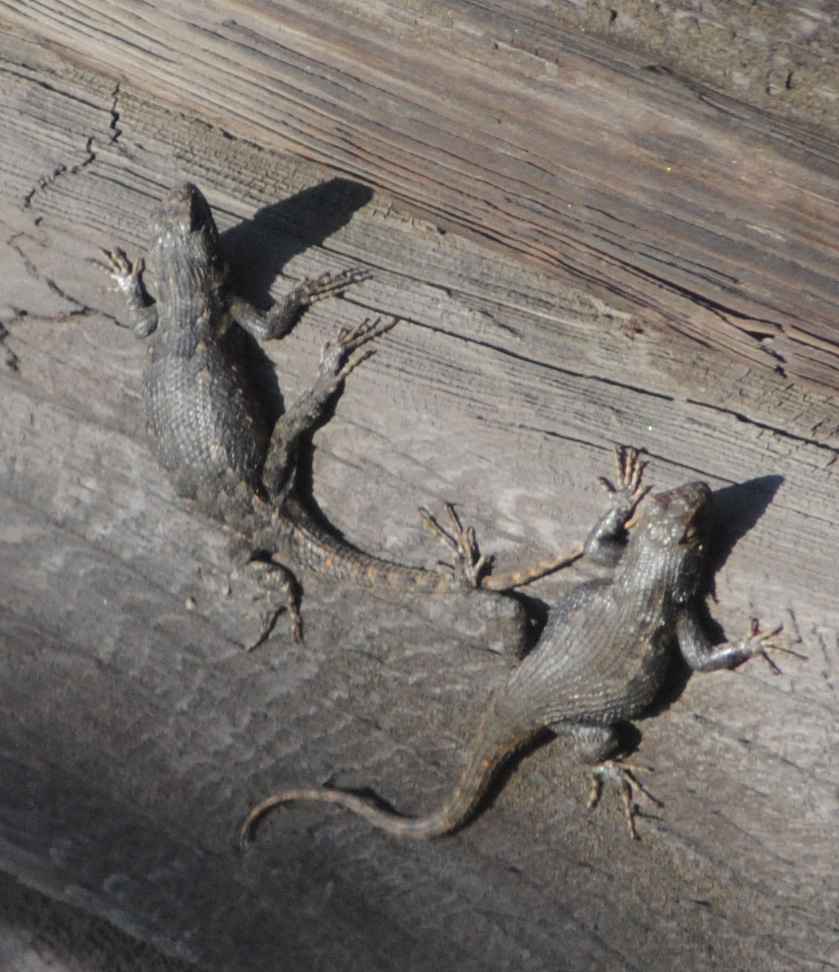
Nikon D3000, 200mm (28-200), 1/500, f/5.6, ISO 450

This morning I saw a couple of small lizards sunning themselves on a wall outside the house. I look several pictures of them, and I liked this one best.

Nikon D7000, 50mm (18-55), 1/800, f/14,  ISO 500

Today the class shifted from color to texture, a subject that proved easier to work with. Two of the strongest shots I got were fountains. I was particularly fond of this close-up of a water fountain. The multiple textures – smooth, scratched, sandy, wet – were a good photographic find. I may eventually print and frame this picture.

Nikon D7000, 55mm (18-55), 1/500, f/11, ISO 500

I might have missed this fountain entirely if a kid hadn’t been sticking her thumb in it to make the water spray everywhere. When she finished playing I moved in close to capture the fine details.

Nikon D7000, 55mm (18-55), 1/320, f/9, ISO 500, cropped

For the first four days of the class we did our shooting at the Pearl Street Mall, one of those shopping areas created by replacing the street with sidewalks, art and plants. The environment was a magnet for Boulder bohemians, especially musicians. I didn’t take many pictures of them, because people were outside the scope of the subject areas I was trying to concentrate on. But I did snap a couple of good ones, such as this close-up of a saxophone player.

Nikon D7000, 200mm (28-200), 1/640, f/5.6, ISO 500, adjusted

After class and dinner I strayed across the street to Boulder Canyon Creek and shot some pictures of some folks kayaking.

Wednesday, May 15, 2013

Bee

Nikon D7000, 300mm (75-300), 1/80, f/11, ISO 200, cropped

Every spring the bumblebees return to the tree in our front yard. And every year I shoot some pictures of them (assuming I catch them during the brief day or two when they’re here).

This year I used a 75-300mm zoom with macro focus to get in way closer than I’d actually care to with a shorter lens. While the bees are working, the whole tree hums with their busy buzzing. I don’t care to find out what would happen if I upset them by trespassing on their space.

At this focal length, shooting conditions are fairly unforgiving. The field depth is paper thin, so only the bee is in clear focus. Thanks to the bright sunlight, I was able to close the aperture down a bit and thus widen the field a little. However, I needed to keep the ISO low so I could “blow up” the images without making them look grainy.

With so many factors in play, many of the photos in the set ended up with technical problems of one kind or another. Still, all I need for a blog entry is one good one.

Wednesday, May 8, 2013

Oriole

Nikon D7000, 500mm (Sigma 150-500), 1/100, f/6.3, ISO 1600, cropped and retouched

I knew we had orioles in our area, but this was the first time I ever actually saw one. So I had to take a picture.

On the plus side, I used the Sigma 150-500mm zoom to get in close. The light wasn’t the best, but cranking the ISO up to 1600 got a good exposure without slowing the shutter down too far.

Still, the shot faced challenges. In order to avoid spooking the subject, I shot the picture from inside my front door. That placed two panes of not-recently-cleaned glass between the bird and me. It didn’t mess the photo up (other than making it a little murky, easily corrected in Photoshop), but I did have to switch to manual focus, which resulted in a not-completely-perfect shot.

Here’s the unedited image:

Nikon D7000, 500mm (Sigma 150-500), 1/100, f/6.3, ISO 1600

While we’re playing around with this photo, let’s also delve deeper into shot composition. The uncropped photo leaves me with a lot of space around the bird. As originally shot, the composition isn’t especially interesting. But I’ve got plenty of room to play around with it in the editing stage.

The crop in the shot at the top is designed to place the visual emphasis on the oriole. It’s the sort of thing you’d expect to see in a birdwatching guide. But what if I cropped it differently?

Try this:

Nikon D7000, 500mm (Sigma 150-500), 1/100, f/6.3, ISO 1600, cropped and retouched

Or this:

Nikon D7000, 500mm (Sigma 150-500), 1/100, f/6.3, ISO 1600, cropped and retouched

How do the different compositions change how you react to the photos? How do they look different? How do they feel different? How does your eye move through them?


Wednesday, May 1, 2013

Devil’s Tower


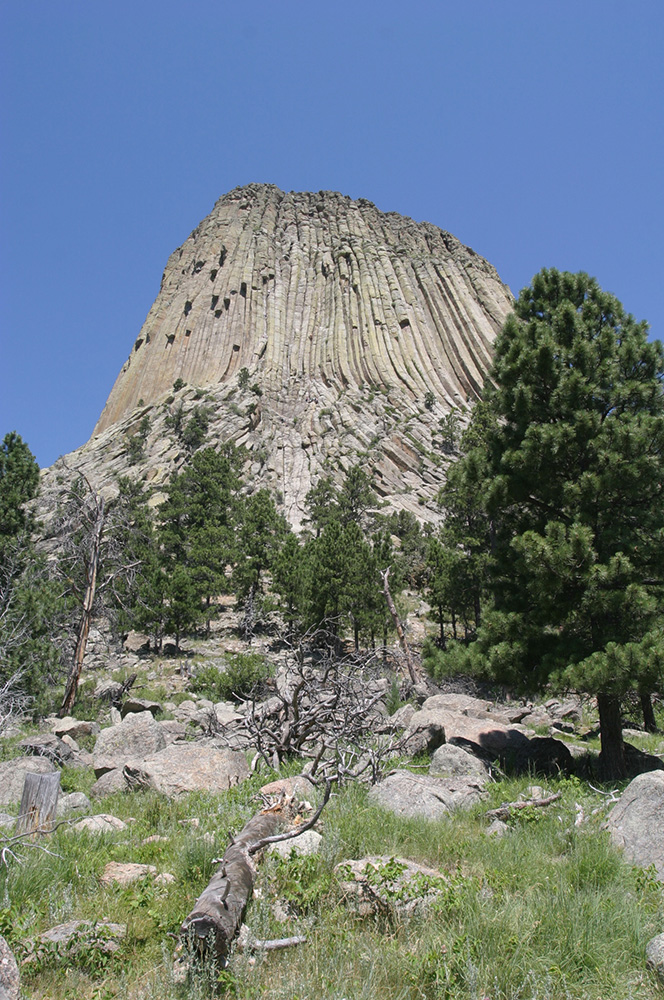
This isn’t exactly a recent photo, but it came up recently during a Saturday seminar I taught for the college. The shots I took at Devil’s Tower in 2011 turned out to be relevant for two reasons.

First, two of the students were preparing for a trip to South Dakota, so I spent some time talking about my experiences shooting in the Badlands and the Black Hills. I also mentioned our excursions into Wyoming and Montana, including the day I shot this picture.

Second, it demonstrates the concept of digital zoom. As originally shot, the focal length was quite short (zoomed out, giving me a wider field of view). This worked well when I was trying to capture the whole tower. But if and when I go back again, I’m taking a newer camera and a telephoto lens as well.

Let’s look closer to see why:


Those tiny specks you can see here and there on the cliff face are climbers. Let me point them out:


Those are the ones I’m sure of. I may have missed a climber or two.

The overall effect gives you a great sense of just how big the thing really is. But it would have been nice to have an image in which the people look like something other than cupcake sprinkles. For that I would have needed a higher focal length (zooming in for more detail) or a higher resolution (so I could “blow up” the parts with the people).

Wednesday, March 27, 2013

Westheight panorama

Nikon D7000, 29mm (18-55), various shutter speeds and f-stops, ISO 200

Here’s one you really need to click on for the full effect. I’ve been playing around with Photoshop’s ability to stitch a series of photos together into a panorama. Though this result isn’t perfect (you can see some exposure inconsistencies here and there), it’s still a fun effect.